Toothing in spalled brick and repairing scaled stone
Once the dense, kiln-fired outer skin of a clay brick pops off, the rough inner core left exposed absorbs rain like a sponge. Left open through another Albany winter, that single spalled brick saturates its neighbors above and below until a small blemish turns into a recessed crater across the wall. Surface patching over missing brick faces with gray cement rarely lasts because thin feather-edged smears crack and peel under freeze-thaw stress.
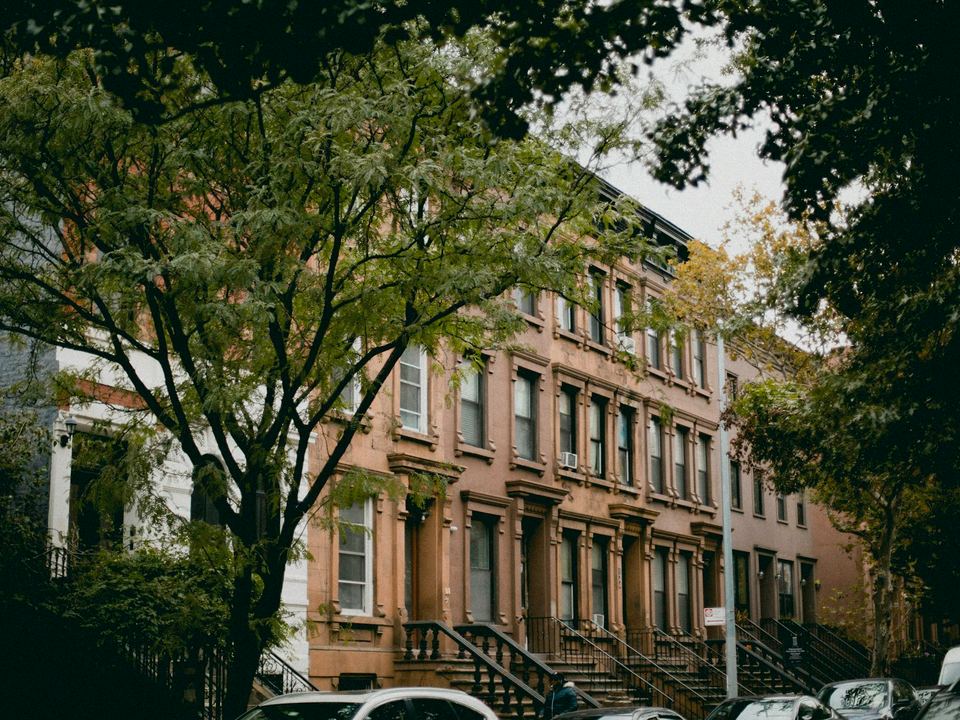
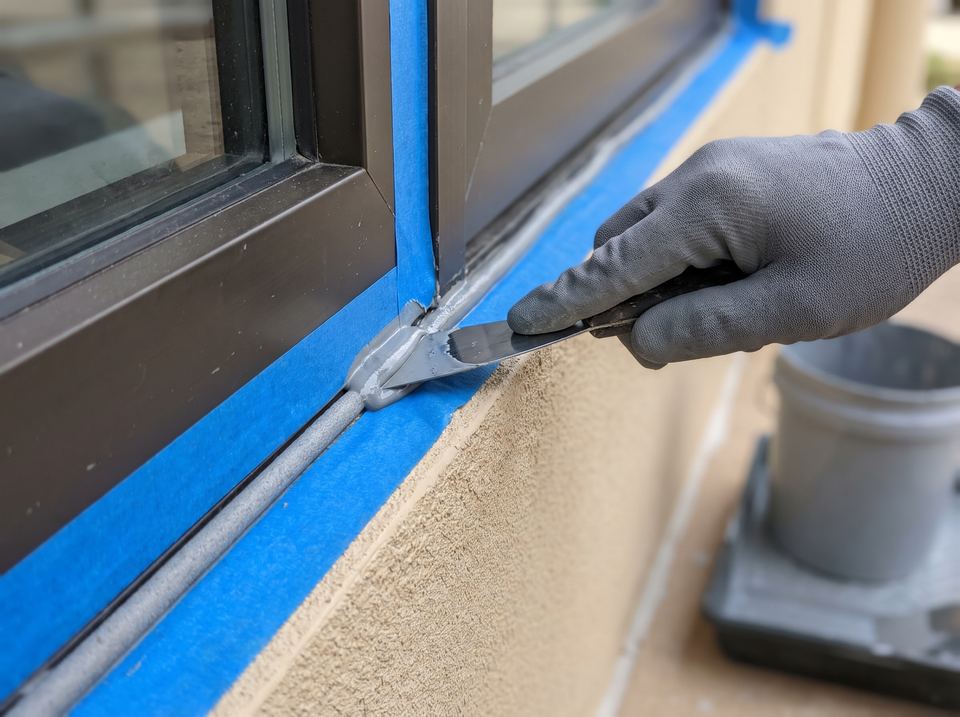
Lasting restoration means cutting out fractured units cleanly to full bed depth without disturbing adjacent courses, clearing old mortar from the pocket, and toothing in replacement bricks chosen to match the size, face texture, color range and absorption rate of the original wall. On brownstone sills, lintels and belt courses in older Albany and Troy neighborhoods, stone often delaminates along natural bedding planes when set edge-grain or soaked by failed window caulking. Where the underlying stone remains sound, we dress back loose flakes and rebuild weathered profiles with breathable mineral restoration mortars rather than rigid epoxies that shear stone behind the patch.
Above-grade foundation parging that stays bonded
Concrete block, fieldstone and rough-poured foundations around porches, cellar bulkhead walls and house perimeters frequently wear a coat of cement parging above the yard line. Parging fails in large hollow sheets when water enters from the top—under sill plates, porch slabs or unsealed siding trim—or when the coat was carried straight into soil and mulch where ground moisture and sidewalk salt wick upward all winter.
We chip away loose, debonded parging back to solid masonry, repoint open structural mortar joints underneath, mechanically key the substrate or anchor galvanized lath where smooth surfaces require grip, and apply fresh parge coats held cleanly above finished grade so the bottom edge can drain rather than wick.
Gentle masonry cleaning and breathable water repellents
Dirt, dark biological algae, rust drips and powdery white efflorescence salts call for targeted low-pressure cleaning—never sandblasting or aggressive high-pressure washing, both of which strip the protective fire skin off brick and etch soft mortar joints. Efflorescence in particular is a symptom, not just a stain: water is dissolving soluble salts inside the wall and depositing them on the face as it evaporates. Before cleaning salt bloom, we locate and close the water entry at copings, repointing joints, stone veneer transitions or window perimeters.
Where porous brick or stone sits exposed to heavy wind-driven rain, we apply clear, penetrating siloxane or silane water repellents under our waterproofing trade after repairs cure. We also caution owners against painting unpainted exterior brick with standard elastomeric or latex coatings that trap interior vapor and trigger widespread spalling.
Knowing the boundary between facade repair and structure
Good restoration starts with an honest diagnosis of what is cosmetic or moisture-driven versus what is moving structurally. Step cracks caused by minor lintel rust or thermal movement can often be stabilized once the water source is stopped and corroded steel or open joints are addressed. However, we do not perform structural engineering or build new load-bearing masonry walls; if a foundation wall is bowing inward or a facade shows active structural settlement, we tell you plainly so a licensed engineer can design any structural stabilization first.
Localized brick tooth-ins, sill repairs or short stretches of foundation parging typically run from a few hundred to a couple of thousand dollars, while multi-story facade cleaning, brick replacement and scaffolding packages are priced after a site visit. Wet mortar and coating work need 40 °F and rising, with free estimates available year-round.